Productivity theater
The busywork we stage to look productive now eats roughly a third of the workday. It is not a discipline problem. It is what people do when the scoreboard can only see motion.
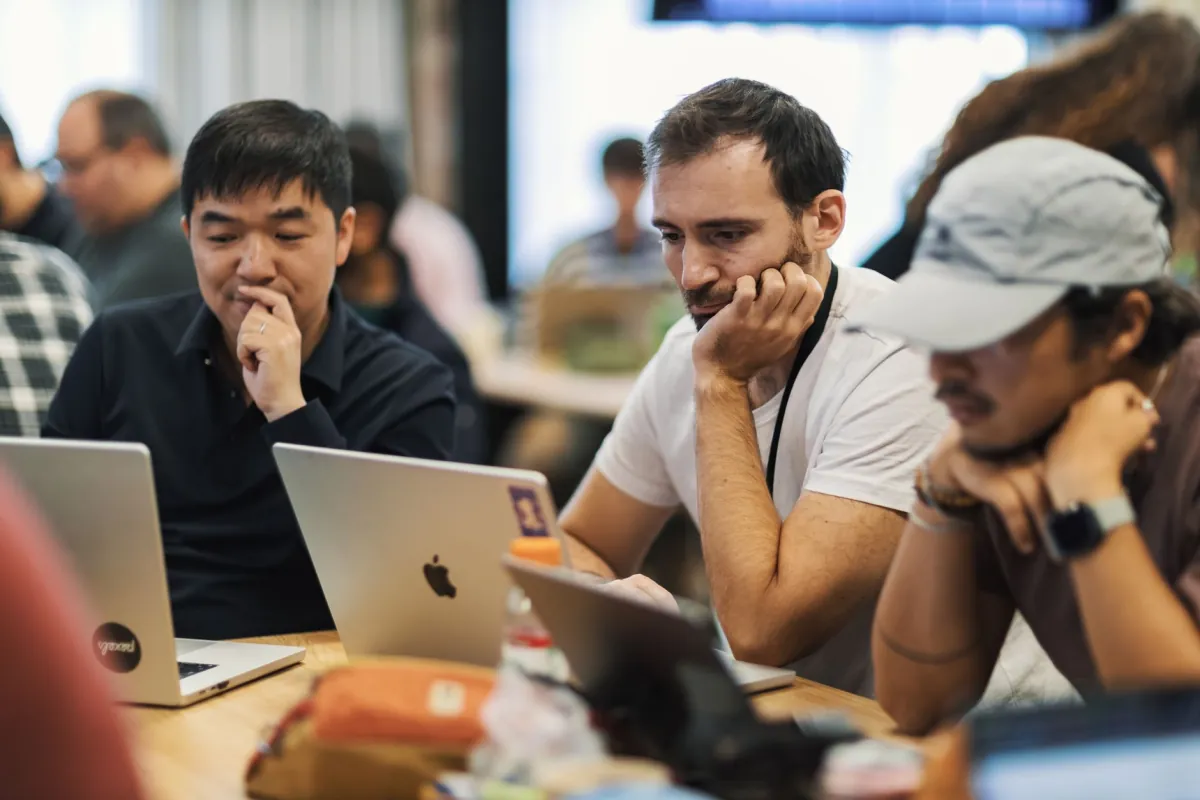
Most of what looks like work is a performance. Not a lie exactly, and not laziness, but a show staged for an audience that cannot tell the difference between someone producing value and someone producing the appearance of it. The green status dot. The 8:52 a.m. reply. The camera on for the meeting you could have skipped. We have built an entire second job on top of the first one, and its only deliverable is the impression that the first job is being done.
There is now a number for it. In a 2023 global survey of more than 18,000 desk workers, Slack's Workforce Lab found that people spend, on average, about 32 percent of their time on "performative work", effort aimed at looking productive rather than at moving the actual goal. Nearly a third of the working day, gone to the show. The same research found that 63 percent of workers keep their status active online even when they are not working, and that half feel real pressure to be seen being available. This is not a fringe of slackers gaming the system. This is the median employee, doing the rational thing.
The audience is the boss
Theater needs an audience, and the audience here is anxious. When work went remote and hybrid, managers lost the one thing they had always quietly relied on to feel in control: the sight of people at their desks. Microsoft named what filled the gap. In its 2022 Work Trend Index, 87 percent of employees reported that they were productive, while 85 percent of leaders said the shift to hybrid made it hard to be confident that their people were actually working. Microsoft called the gap productivity paranoia. It is a precise phrase for a specific failure: a manager who cannot see output starts watching proxies instead, and the proxies are all theater props.
Once the proxy becomes the measure, the sane response is to feed the proxy. Workers do. A study of 2,000 US and UK employees by Qatalog and GitLab found that the average person puts in an extra 67 minutes online every day purely to signal that they are working, sitting in calls they know are worthless, timing messages to land when someone is looking. Digital presenteeism, the researchers called it. More than an hour a day of pure signal, carrying no information about the work itself. The employee is not confused about what matters. They have simply read the room correctly. The room is grading attendance.
The theater is not a character flaw of the performers. It is a rational reply to a scoreboard that can measure motion and cannot measure output.
Who pays
Someone always pays for a show, and here the bill lands in two places. The first is the organization, in raw coordination overhead. Asana's Anatomy of Work Index put a figure on it: knowledge workers spend 58 percent of their day on "work about work", the status updates, the app-switching, the meetings that exist to reassure people that work is happening. Only a third of the day is left for the skilled work someone was actually hired to do, and less than a tenth for anything strategic. A company can run this way for years without noticing, because the theater is convincing. Everyone looks busy. The dashboards are green. The output is quietly mediocre and nobody can quite say why.
The second payer is more specific, and it is the person this publication keeps coming back to. Consider the two workers on any team. One does excellent, unglamorous work in long uninterrupted stretches and forgets to broadcast it. The other produces less but narrates constantly, always online, always responsive, always visibly in motion. In a system that scores the signal instead of the substance, the second worker wins. The first one watches a colleague get the credit for looking like what they actually are, and slowly learns the lesson: the work is not the point, the visibility of the work is the point. That is the same quiet corrosion behind burnout that has nothing to do with running out of stamina. It is exhausting to be good at a job and rewarded for a different one.
The measurement is the disease
The tempting fix is more surveillance. If you cannot trust the green dot, install the software that counts keystrokes and screenshots the screen. This is exactly backward, and it is why so much of the trust that leaked out of the office never came back. Tighter monitoring does not reveal output. It just raises the production values of the theater. Watch the inputs harder and workers get better at performing inputs, because inputs are all you have told them you can see. The measurement does not correct the behavior. The measurement causes it.
This is the real mechanism, and it reframes the whole complaint about disengaged workers. When managers grumble that people are doing the minimum and performing the rest, or that the office is full of motion and empty of progress, they are describing a system working as designed. A workplace that cannot see output will always drift toward rewarding the appearance of it, and its people will always oblige. The busyness is not apathy. It is often the specific restlessness of capable people with nothing real to push against, spending their energy on the only thing the environment is set up to notice.
So the question is not how to get people to stop performing. They will perform for exactly as long as performing is what pays. The question is whether a manager can name what a good week of this job actually produces, and then look at that instead of at the calendar and the status dot. Most of the theater dies the moment someone in charge can answer that. Until they can, no amount of monitoring, no return-to-office mandate, no productivity software will help, because none of it touches the thing that started the show. The lights are on because nobody has agreed on what the play is about. Define the output and the stage goes dark on its own.